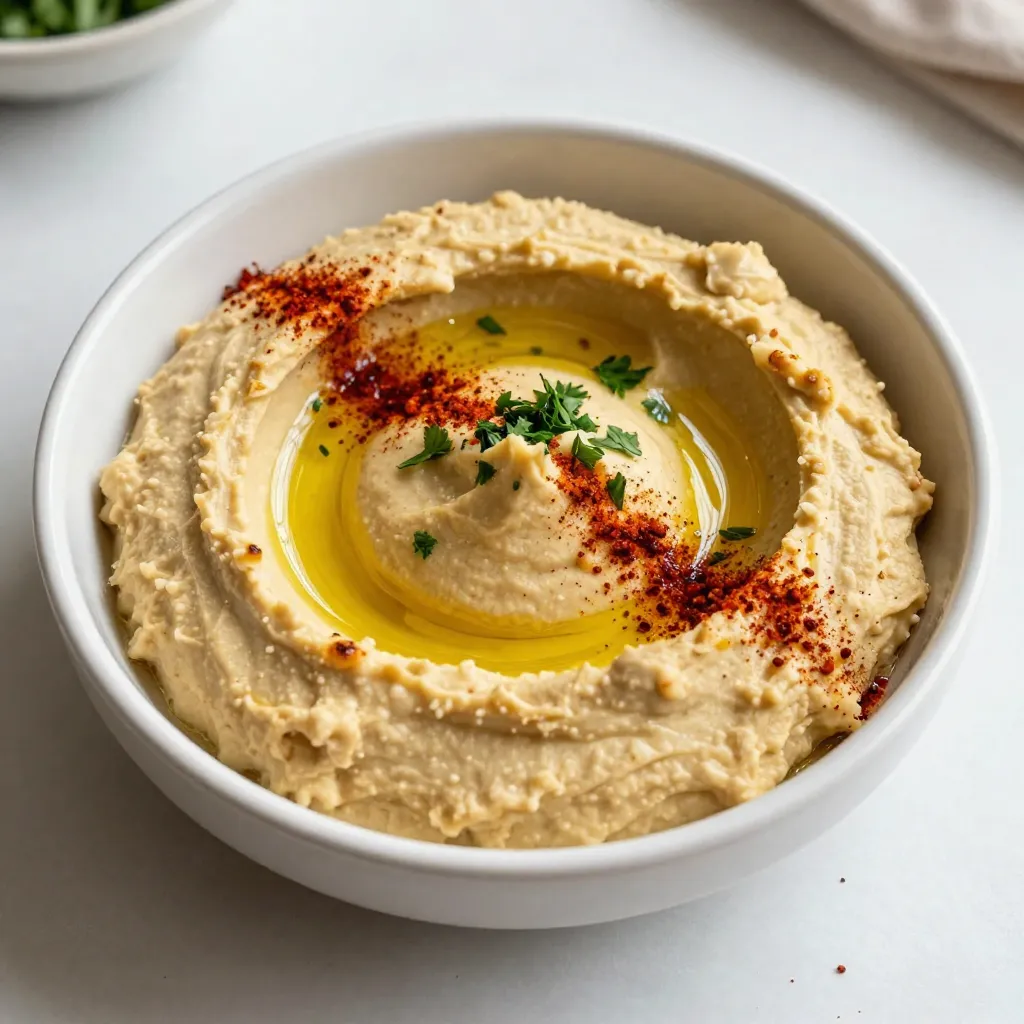
If you’re eager to elevate your snacking game, you’ve come to the right place! Roasted Garlic Hummus is not just flavorful; it’s easy to whip up in your kitchen. With a creamy texture and a rich taste from roasted garlic, this recipe will impress everyone. In this post, I’ll guide you through simple steps, offer handy tips, and share insights on healthy variations. Let’s dive into making this delightful dip!
Why I Love This Recipe
- Delicious Flavor Profile: The combination of roasted garlic and tahini creates a rich and creamy texture that is simply irresistible.
- Easy to Make: This recipe requires minimal effort and just a few ingredients, making it perfect for quick snacks or gatherings.
- Healthy Option: Packed with protein and healthy fats, this hummus is a nutritious dip that satisfies cravings without the guilt.
- Versatile Use: Great as a dip, spread, or even as a sandwich filling, this hummus can elevate any meal or snack time.
Ingredients
Complete List of Ingredients
– 1 can (15 oz) chickpeas, drained and rinsed
– 1/4 cup tahini
– 3 cloves roasted garlic
– 2 tablespoons lemon juice
– 2 tablespoons olive oil
– 1/2 teaspoon ground cumin
– Salt to taste
– Water (as needed for consistency)
Chickpeas are the star of this dish. They add creaminess and protein. When you rinse them, it helps remove extra salt and helps the hummus taste fresh.
Tahini is a key ingredient too. This sesame paste adds a rich, nutty flavor. It also gives hummus its classic smoothness. Without it, the dish would taste flat.
Roasted garlic brings a sweet and mellow taste. Roasting softens its sharp bite. This makes the garlic more flavorful and less harsh. You will love how it brightens the whole dish.
Optional Garnishes
– Paprika
– Chopped parsley
Adding paprika gives a nice touch. It adds a pop of color and a hint of warmth. Chopped parsley also adds freshness and a vibrant look.
You can get creative with other toppings. Try adding a drizzle of olive oil for richness. You can also sprinkle some toasted pine nuts for crunch. These little touches make your hummus look and taste even better.

Step-by-Step Instructions
Prepping the Garlic
To roast garlic, start by preheating your oven to 400°F (200°C). Take a whole bulb of garlic and cut off the top. Drizzle a little olive oil on the cut side. Wrap it in aluminum foil. Bake it for 30 to 35 minutes. The garlic should feel soft and smell sweet when done.
For perfect roasted garlic, choose firm bulbs. Older bulbs may not roast well. Make sure to use enough olive oil to help it caramelize. This adds a rich flavor that makes the hummus special.
Blending the Ingredients
In your blender, add the drained chickpeas first. Next, add the tahini, roasted garlic, lemon juice, olive oil, ground cumin, and a pinch of salt. This order helps the blender work better.
When blending, start at a low speed and then increase it. If the hummus is thick, add water a bit at a time. Blend until it is very smooth. You want a creamy texture, not a chunky one.
Adjusting the Flavor
To taste your hummus, use a clean spoon. If it needs more flavor, add more salt or lemon juice. Mix well before tasting again.
Watch out for common mistakes. Too much salt can ruin the hummus. If it’s too sour, add a little more tahini. Keep adjusting until it tastes just right.
Tips & Tricks
Achieving the Best Texture
To make hummus smooth, water plays a big role. Start by adding a little water. Blend, then check the texture. If it’s too thick, add more water, one tablespoon at a time. You want a creamy finish.
When picking between a blender and a food processor, I recommend a food processor. It blends the chickpeas better and creates a smoother texture. If using a blender, push the ingredients down often to get even mixing.
Storage and Shelf Life
Storing hummus right keeps it fresh. Use an airtight container and store it in the fridge. It can last about 4 to 7 days. Always check for signs of spoilage. If it smells off or has a strange color, it’s best to toss it.
Serving Suggestions
Hummus pairs well with many foods. Try it with fresh veggies like carrots or cucumbers. It also works great on pita bread or crackers.
For a fun twist, serve hummus in a bowl with toppings. You can add extra olive oil, a sprinkle of paprika, or even some chopped olives. This makes it look nice and adds flavor!
Pro Tips
- Roasting Garlic: For deeper flavor, try using a whole bulb of garlic instead of just cloves. The roasting process mellows the garlic’s sharpness, adding a rich sweetness to your hummus.
- Texture Adjustment: If you prefer a creamier hummus, blend longer and add more water gradually until you achieve your desired consistency.
- Flavor Variations: Experiment by adding spices like smoked paprika or cayenne pepper for a kick, or mix in roasted red peppers for a different flavor profile.
- Garnishing: Enhance presentation by drizzling with high-quality olive oil and a sprinkle of fresh herbs like cilantro or dill, which will add freshness and color.
Variations
Spicy Roasted Garlic Hummus
To make a spicy version, add some heat. You can use cayenne pepper or red pepper flakes. Start with a pinch and taste as you go. If you want more spice, just add more. This keeps the hummus balanced with flavor and heat.
Roasted Red Pepper Hummus
For a roasted red pepper twist, add 1/2 cup of jarred roasted red peppers. After blending the main ingredients, toss in the peppers and blend again. This gives a sweet and smoky flavor to your hummus.
Additional Flavor Combinations
You can try adding fresh herbs like basil or cilantro. A squeeze of lime juice can brighten it up. For a unique taste, mix in some sun-dried tomatoes or olives. Each ingredient can change the flavor of your hummus. Get creative!
Health Benefits of Hummus
Nutritional Information
Hummus is great food. It mainly uses chickpeas and tahini. Chickpeas are packed with protein and fiber. They help you feel full and satisfied. Tahini, made from sesame seeds, adds healthy fats. These fats are good for your heart. Olive oil also adds healthy fats. It can lower bad cholesterol and boost good cholesterol.
Hummus as a Healthy Snack
Hummus is a perfect snack. It fits well in a balanced diet. You can dip veggies or whole-grain pita in it. Compared to other dips, hummus is better for you. Many dips are high in fat and calories. Hummus gives you nutrients without extra junk.
Dietary Considerations
Hummus is gluten-free and vegan. This makes it great for many diets. People with gluten issues can enjoy it. Vegans can have hummus as a protein source. It is safe for most dietary needs. Hummus is a flexible snack that everyone can enjoy.
FAQs
Can I use dried chickpeas instead of canned?
Yes, you can use dried chickpeas. First, soak them overnight in water. This helps them cook faster. The next day, drain and rinse. Boil the chickpeas for about 1 to 2 hours until soft. Make sure they are tender before blending. Dried chickpeas can give a fresher taste. Just plan ahead since they need more time.
What can I use instead of tahini?
If you don’t have tahini, there are great substitutes. You can use peanut butter or sunflower seed butter. Both will add a nice flavor. You can also use Greek yogurt for a creamy texture. Just remember, the taste will change a bit. Experiment to find what you like best!
How long does homemade hummus last in the fridge?
Homemade hummus can last about 4 to 7 days in the fridge. Store it in an airtight container to keep it fresh. If you see any changes in color or smell, it’s time to toss it. Always check before enjoying!
You’ve learned how to make delicious hummus from scratch. We covered key ingredients like chickpeas, tahini, and roasted garlic. I shared methods for prepping, blending, and adjusting flavors. Plus, we explored variations to spice it up. Remember, hummus is not just tasty; it’s healthy too. It’s good for many diets. With these tips and tricks, you can make the best hummus. Enjoy experimenting with flavors, and don’t forget to share your favorite combination