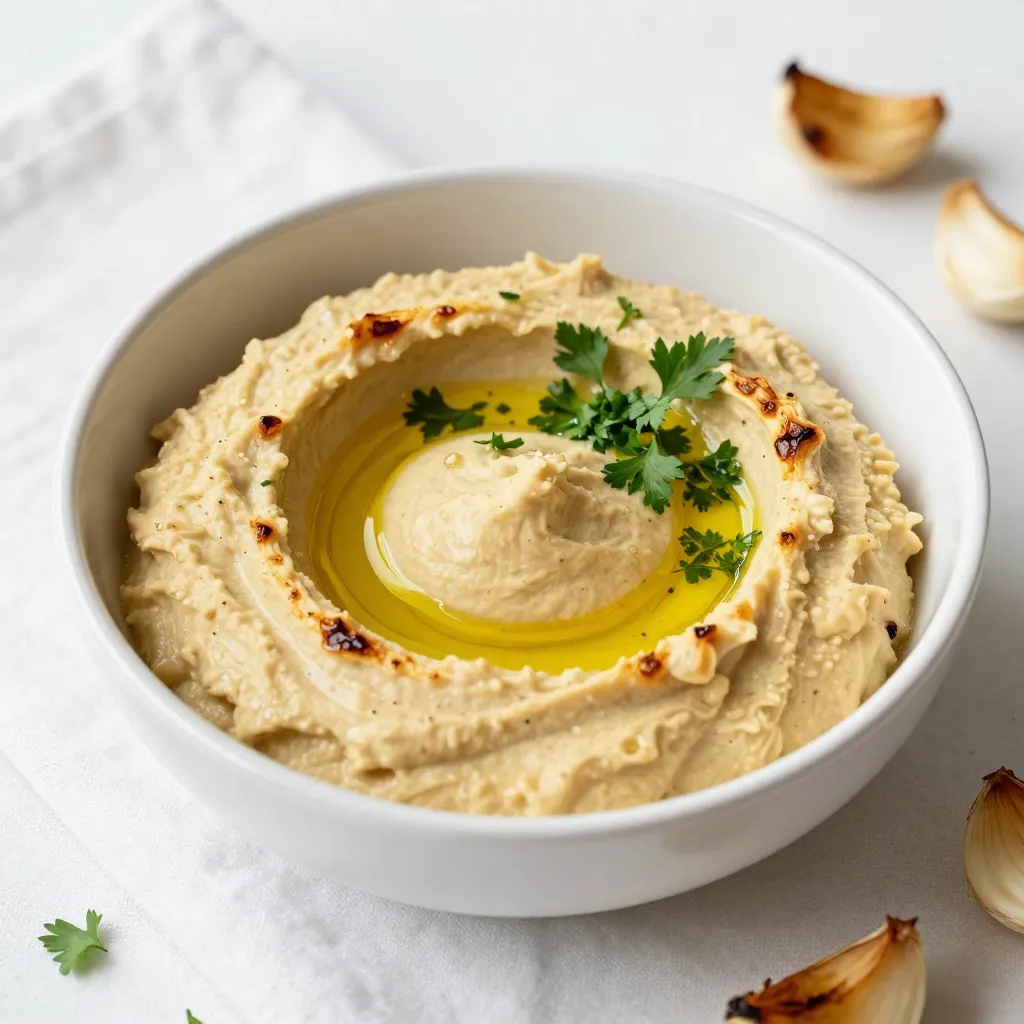
Get ready to elevate your snack game with my Roasted Garlic Hummus! This rich and flavorful spread brings a unique twist to the classic dip, blending creamy chickpeas and sweet roasted garlic. Whether you’re hosting a gathering or just craving something delicious, this hummus will impress. In this post, I’ll guide you through easy steps, helpful tips, and mouthwatering variations to make it your own. Let’s dive into the recipe!
Why I Love This Recipe
- Flavorful Roasted Garlic: The roasting process caramelizes the garlic, giving it a sweet, rich flavor that elevates the hummus to a whole new level.
- Simple Ingredients: This recipe uses everyday ingredients that are easy to find, making it accessible for anyone looking to whip up a delicious dip.
- Customizable Consistency: You can adjust the thickness of the hummus by adding water, allowing you to create your perfect creamy texture.
- Healthy and Wholesome: Packed with protein and healthy fats, this hummus is not only tasty but also nutritious, making it a great snack or appetizer.
Ingredients
Main Ingredients
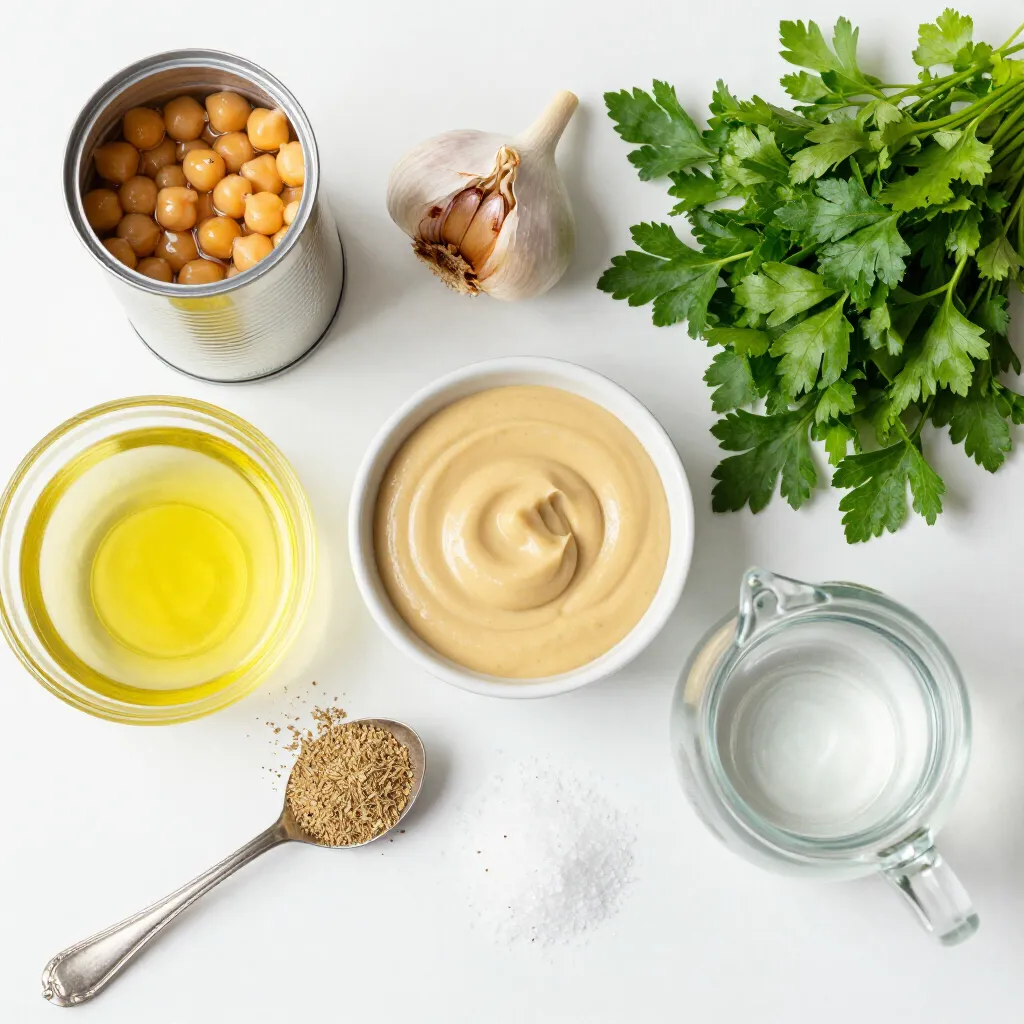
– 1 can (15 oz) chickpeas, drained and rinsed
– 1 head of garlic
– 3 tablespoons tahini
Chickpeas are the base of this hummus. They give it a creamy texture. I prefer using canned chickpeas for ease, but dried ones work too if you soak and cook them. Roasted garlic adds a sweet, rich flavor. It changes the whole taste of the hummus. You roast it until it’s soft and golden. Tahini brings a nutty depth to the mix. It’s made from sesame seeds and boosts the creaminess.
Additional Ingredients
– 3 tablespoons lemon juice
– 3 tablespoons olive oil
– 1 teaspoon ground cumin
– Salt to taste
Lemon juice brightens the flavors. It adds a fresh zing that balances the richness. Olive oil gives the hummus a smooth finish. Use good quality oil for the best taste. Ground cumin adds warmth and a hint of spice. Adjust the salt to make the flavors pop. Each ingredient plays a vital role in making this hummus tasty.
Garnish Options
– Fresh parsley
– Olive oil drizzle
Garnishes elevate the dish. Chopped parsley adds a pop of color and freshness. A drizzle of olive oil on top makes it look inviting and adds richness. You can also experiment with other herbs or spices to suit your taste.
Step-by-Step Instructions
Roasting the Garlic
Preheating the Oven
Start by preheating your oven to 400°F (200°C). A hot oven helps the garlic roast well.
Preparing the Garlic
Take a whole head of garlic. Slice the top off to expose the cloves. Drizzle some olive oil on it. Wrap it in foil to keep it moist. Roast the garlic for 30-35 minutes. You want it soft and caramelized. Let it cool before you handle it.
Blending the Hummus
Adding Ingredients to Food Processor
Once the garlic is cool, squeeze the cloves into a food processor. Add one can of drained and rinsed chickpeas. Then, add three tablespoons of tahini, lemon juice, and olive oil. Sprinkle in one teaspoon of ground cumin and some salt.
Blending Tips
Blend the mixture until smooth. Make sure to scrape down the sides of the bowl as needed. If the hummus is too thick, add water a tablespoon at a time. Keep blending until you reach your desired texture.
Adjusting Consistency and Flavor
Achieving Desired Texture
After blending, taste the hummus. If it is too thick or dry, add more water. Blend again until it is creamy and smooth.
Seasoning Adjustments
Taste your hummus one more time. Add extra salt or lemon juice if needed. This step makes sure the flavors pop. Once you’re happy, transfer the hummus to a bowl. Drizzle some olive oil on top and sprinkle with chopped parsley for a lovely finish.
Tips & Tricks
Perfecting Roasted Garlic
Choosing the Right Garlic
Choose fresh garlic heads. Look for firm bulbs without soft spots. Fresh garlic has a stronger flavor.
Roasting Techniques
To roast, preheat your oven to 400°F (200°C). Cut off the top of the garlic head. Drizzle it with olive oil. Wrap it in foil. Roast for 30-35 minutes until soft and sweet. Let it cool before handling.
Hummus Consistency
Adjusting Thickness
If your hummus is too thick, add water slowly. Use a tablespoon at a time until it’s smooth. The ideal hummus should be creamy, not runny.
Storage Tips for Texture
Store hummus in an airtight container. It keeps well in the fridge for about a week. If it thickens, just stir in a bit of water before serving.
Serving Suggestions
Pairing with Dips and Bread
Serve hummus with pita chips or fresh veggies. It’s great with crunchy cucumbers or sweet carrots. You can also use it as a sandwich spread for a tasty twist.
Creating a Hummus Platter
Make a beautiful platter with your hummus. Add olives, nuts, and fresh herbs. This looks colorful and invites everyone to dig in.
Pro Tips
- Roasting Garlic: For a sweeter flavor, roast the garlic until it is golden brown and caramelized. This adds depth to your hummus.
- Consistency Adjustment: If your hummus is too thick, gradually add water until you reach the desired smoothness. Start with a tablespoon at a time.
- Flavor Enhancements: Experiment with spices like smoked paprika or chili powder to add a unique twist to your hummus.
- Serving Suggestions: Pair your hummus with fresh veggies, pita chips, or use it as a spread on sandwiches for added flavor.
Variations
Flavor Add-Ins
Adding different flavors can make your hummus special. You can mix in spices like smoked paprika. This gives a nice, smoky taste. Try adding roasted red peppers too. They bring a sweet and rich flavor. You can even blend in some fresh herbs like basil or cilantro. These add a fresh touch to your hummus.
Dietary Adaptations
If you want gluten-free options, you’re in luck! All the main ingredients in hummus are gluten-free. Chickpeas, tahini, and olive oil are all safe. This makes hummus a great snack for everyone. For vegan alternatives, you don’t need to change much. This recipe is already vegan! Just make sure your tahini is pure and free from animal products.
Serving Style Variations
You can serve hummus warm or cold. Warm hummus can feel cozy and comforting. It pairs well with warm pita bread. Cold hummus is refreshing. It’s great with crunchy veggies. You can also decide how to serve it. Spread it on toast or warm pita. You can use it as a dip for veggies or chips. Both styles are tasty and fun to enjoy!
Storage Info
Refrigerator Storage
How Long Can You Store Hummus?
You can keep your roasted garlic hummus in the fridge for about five days. Make sure to store it in an airtight container. This keeps it fresh and tasty.
Best Practices for Storage
To store hummus well, press plastic wrap against the surface before sealing the lid. This limits air exposure. You can also drizzle a little olive oil on top. It helps keep the hummus moist.
Freezing Hummus
Steps for Freezing
Freezing hummus is easy! First, place it in a freezer-safe container. Leave some space at the top for expansion. You can also scoop it into ice cube trays for single servings.
Thawing Tips
When you want to use frozen hummus, move it to the fridge overnight. If you need it fast, place it in a bowl of cold water for a quicker thaw. Stir it well before serving.
Avoiding Spoilage
Signs of Bad Hummus
Look for changes in color or texture. If you see mold or it smells sour, it’s time to toss it. Fresh hummus should smell rich and nutty.
Tips for Freshness
Always use clean utensils when serving. This helps prevent bacteria from spoiling your hummus. Store it in the coldest part of your fridge to keep it fresh longer.
FAQs
What is Roasted Garlic Hummus?
Roasted garlic hummus is a creamy dip made from chickpeas and roasted garlic. It has a rich flavor that sets it apart from regular hummus. Regular hummus uses raw garlic, which can taste sharp. Roasted garlic, however, becomes sweet and mellow when cooked. This change adds depth and warmth to the dip.
How to Use Leftover Hummus?
You can use leftover hummus in many tasty ways:
– Spread on Sandwiches: Use it instead of mayo for a flavorful twist.
– Dip for Veggies: Pair it with fresh carrots, cucumbers, or peppers for a healthy snack.
– Hummus Pasta: Mix it with warm pasta for a quick meal.
– Stuffed Peppers: Combine it with rice and stuff into bell peppers for a hearty dish.
Health Benefits of Roasted Garlic
Roasted garlic offers many health benefits.
– Nutritional Information: It is low in calories but high in nutrients. It contains vitamins C and B6, manganese, and antioxidants.
– Potential Health Advantages: Some studies say it may boost the immune system. It may also help lower blood pressure and improve heart health. Eating roasted garlic can add flavor and nutrition to your meals.
In summary, we explored how to make delicious roasted garlic hummus. We covered key ingredients like chickpeas, tahini, and roasted garlic. The steps included roasting garlic and blending the hummus to your desired texture. I shared tips for perfecting flavors and storage for freshness. Finally, we discussed variations for different tastes and dietary needs.
By following these steps, you can create tasty hummus that impresses everyone. Enjoy your cooking journe